Footprint read vs. volumetric read: what each tells a treaty analyst
When a declared site shows activity on this week's pass, the first question isn't "did something change." It's "what kind of change, and does it matter for the declaration." Two different readings on the same imagery answer two different halves of that question, and conflating them is how an analyst misses the one that counts.
The footprint read
A footprint read measures what's above grade: the outline of a new structure, an extension to an existing building, a support shed that wasn't there last cycle. It's a shape-and-area comparison, pixel outline against pixel outline, between this week's pass and the baseline. The output is a footprint figure in square meters and a shape you can overlay on the site diagram.
For a treaty analyst, the footprint read is the fast filter. A new rectangular structure adjacent to a declared process building, a footprint extension on a storage hall, a perimeter building that wasn't in the original site survey. These are the things a footprint read catches cleanly because they have a visible outline against a stable background.
What it doesn't tell you is depth, mass, or intent below the roofline. A structure with a modest footprint can sit over a much larger excavated cavity. A footprint read alone will log the building and move on.
The volumetric read
A volumetric read measures earth moved: cut, fill, spoil pile volume, the depth of a new excavation estimated from shadow geometry and sun angle at the time of capture. It's not counting pixels of a shape, it's estimating cubic meters of material that used to be in the ground and now isn't, or material that's been brought in and mounded somewhere it wasn't before.
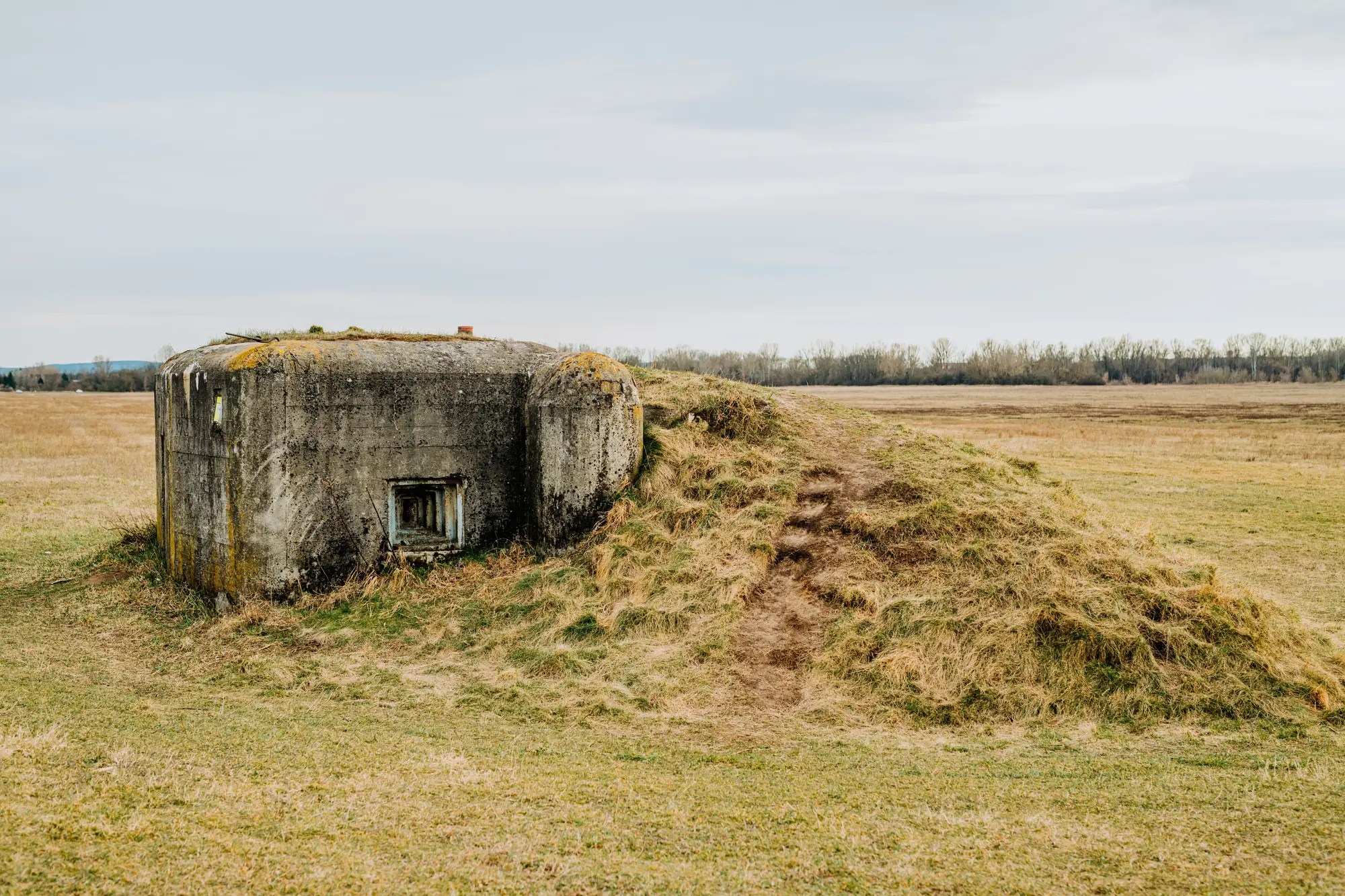
This is the read that catches the activity a footprint comparison walks right past: a cleared pad with no structure yet, a tunnel portal cut into a hillside, a spoil pile growing at the site perimeter week over week with no matching surface structure anywhere near it. On a hardened or underground facility, the excavation volume often moves for months before anything above ground gives it away. If you're only running a footprint comparison, that whole phase of construction is invisible to you.
The two reads also diverge on what they mean for intent. A footprint change usually means a declared or plausible function: storage, processing, administration. A volumetric change without a matching footprint is the pattern worth flagging up the chain, because it's consistent with below-grade construction that isn't going to show up in a footprint comparison until the structure above it is finished, if it's ever visible at all.
Reading them together
Run both on the same cadence and you get the fuller picture: footprint tells you what's being built above the surface, volumetric tells you what's being moved below it, and the gap between the two numbers over a run of weekly passes is itself a signal. A site where excavation volume climbs for six weeks and footprint stays flat is a different monitoring priority than a site where both move together.
This is the pairing Facility Expansion is built around: a weekly watch on a named site that flags new construction, excavation, and hardening as they appear, with a volumetric read on the excavation and a footprint read on any new structure, delivered as a site map with the changes annotated rather than two raw numbers you have to reconcile yourself.
If you're still doing that reconciliation by pulling last week's archive next to this week's and eyeballing the difference, it's worth seeing what a standing weekly comparison on your site looks like instead.