Field notes: the winter a single new berm rewrote a site's threat assessment
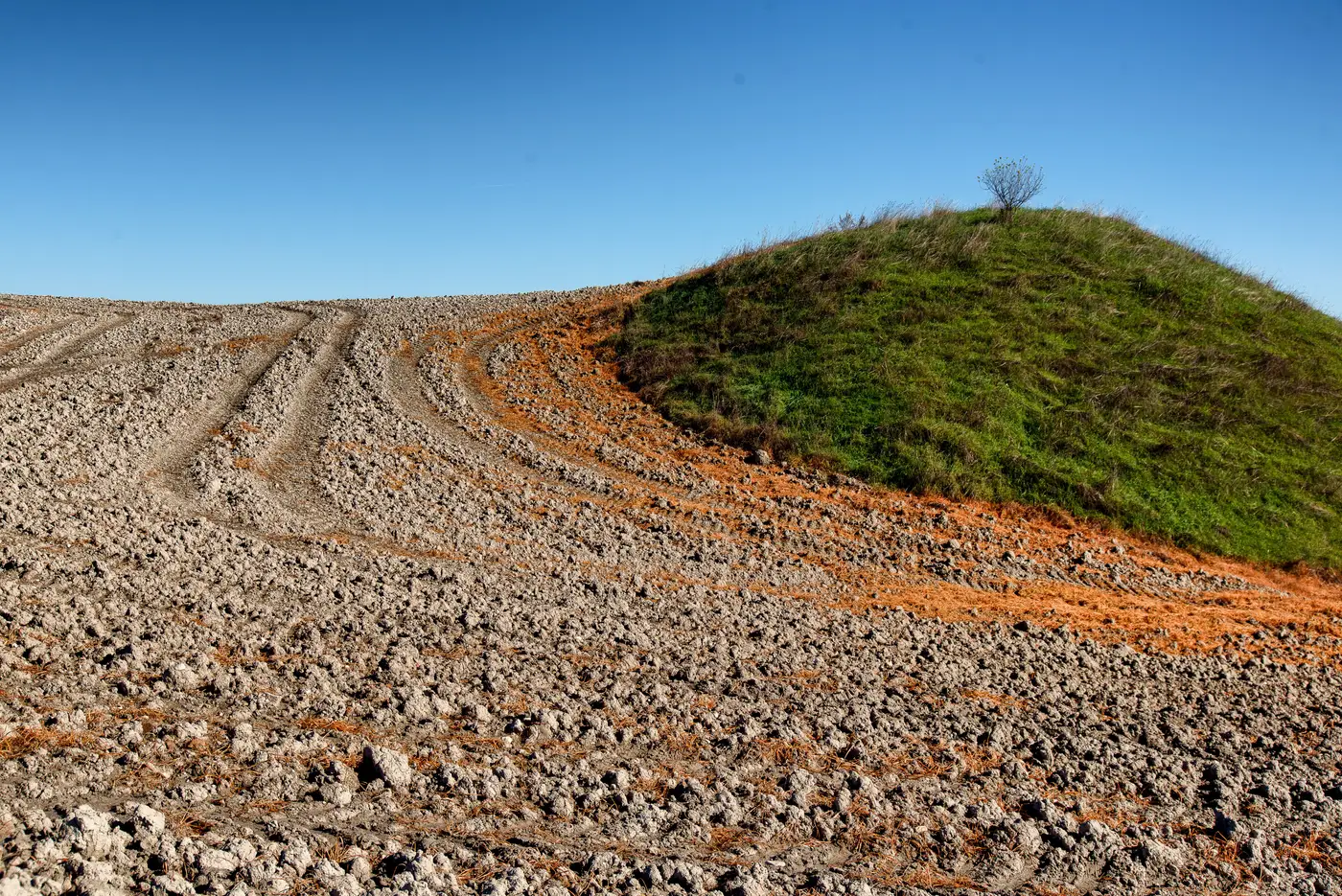
There's a particular kind of embarrassment in this trade: you've been watching a site for two years, you know its roofline by heart, and then a berm shows up that you nearly wave off as grading work. That's what happened to a colleague of mine two winters ago, on a site I won't name here, and it's stuck with me as a small case study in how little it sometimes takes to flip an assessment.
The site was a mid-sized industrial compound, flagged years earlier for dual-use equipment procurement and watched ever since at the usual cadence, imagery pulled every few weeks when tasking allowed. Nothing had moved in eighteen months. Then, over a six-week stretch that straddled December and January, a low earthen berm appeared along the compound's northeast perimeter, maybe 120 meters long, two to three meters high by eye. No cranes, no new buildings, no vehicle surge. Just dirt, moved and shaped and left there.
The first instinct was to read it as drainage work or a windbreak. Berms get built for boring reasons constantly, and an analyst who sees a hardening indicator in every pile of earth is going to burn out their credibility fast. But the shape was wrong for drainage. It ran parallel to a structure that had been sitting unremarkable on every past pass, and it sat at a standoff distance that matched, almost too neatly, the fragmentation radius you'd want if that structure were something you intended to protect rather than just use.
That's the part that gets missed in briefings that only show you "before" and "after" stills: the berm itself wasn't the finding. The finding was what the berm implied about the building next to it, a building that had been sitting in the file for two years coded as "function unknown, low priority." One earthwork feature, placed with intent, retroactively changed the read on everything around it. The assessment didn't move because of new intelligence on the building. It moved because someone finally looked at the right week's imagery and asked why anyone would berm a wall that didn't need bermed.
How long it sat there before anyone noticed is the part nobody likes putting in a cable: something like five to seven weeks. The imagery existed the whole time, sitting in an archive somewhere; the review cycle for that site was quarterly, and nobody had reason to pull an off-cycle comparison. A berm doesn't trip a sensor. It doesn't show up as a new heat signature. It just sits there, dirt-colored and patient, until a human being happens to scroll back far enough to notice the compound's edge isn't where it used to be.
This is the case I keep coming back to when people ask why weekly beats quarterly for the handful of sites that actually matter. Most of what a weekly pass catches would surface on a quarterly one too, eventually. The lag between the earthwork going in and someone clocking it is exactly the window where a judgment calcifies. By the time my colleague's team flagged the berm, it had already been load-bearing in a dozen routine reports that described the site as unchanged. Walking that back costs more than catching it would have.
A berm goes in over a matter of weeks. The sites worth a standing watch need a review cadence on that same timescale, which is the whole premise behind what we've built at Facility Expansion: a weekly pass over a named site that flags new earthwork and structures against what was there the week before, so the first person to see the berm isn't the one who happens to scroll back far enough.
Worth a look if there's a site on your list that hasn't had a fresh set of eyes on it since last quarter.